
Why They Bought It & Tested It
The endless pursuit of higher-elevation gaming mouse features led the creator to test whether Corsair’s new PureVector software calibration technology can actually correct a gamer’s physical hand eccentricities. Developed in partnership with Aimlabs, this software claims to fix inconsistent directional aim, such as over-flicks and under-flicks, by up to 33 percent without requiring hours of traditional target practice.
We wanted to see if this feature is a meaningful training breakthrough or merely a software gimmick bundled into an expensive peripheral. ShortCircuit put the flagship Carbon Fibre variant through its paces to find out how the hardware and software integration holds up under live gaming conditions.
“Every time I think we've reached the summit of what a mouse can be, somehow manufacturers keep finding a little more elevation to reach.”
— David (Video Test)
The Real-World Test & Results
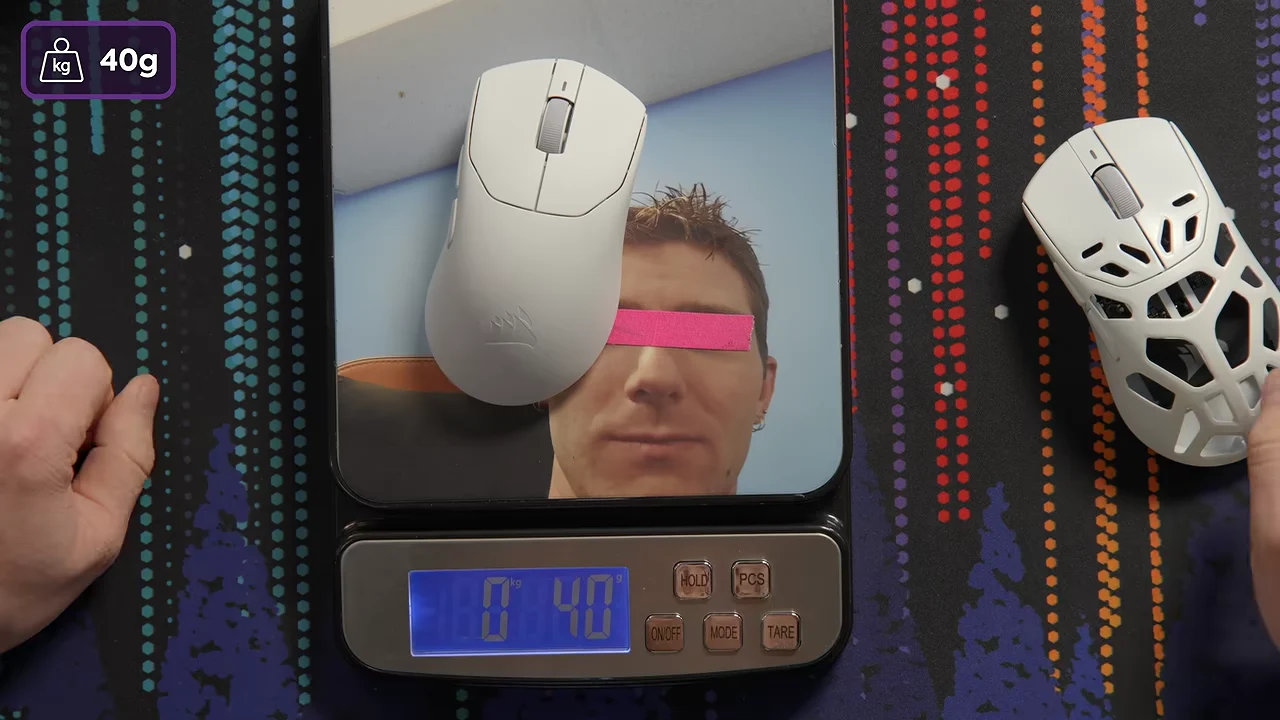
Testing began with a thorough hardware and weight check. The reviewer unboxed three distinct models: the 40g Ultralight, the 56g NG Ergo with a honeycomb pattern, and the 50g Carbon Fibre CF model. Each unit came well-equipped with braided cables, 2.4GHz dongles, grip tape, and PTFE skates. The Carbon Fibre model was then inspected for build quality, highlighting its 100-million click optical switches and bottom mode selector.
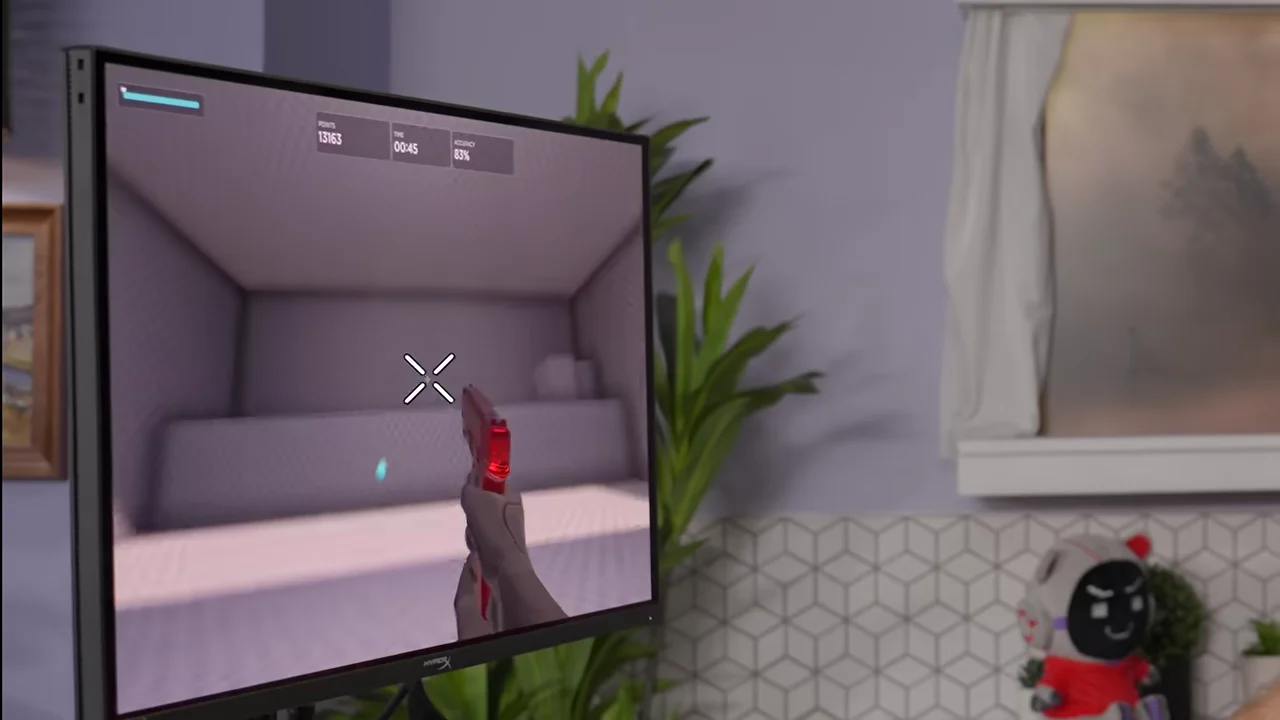
The core test involved running through the Aimlabs interactive setup using Corsair’s Web Hub software. After answering questions about grip style and flick movements, the reviewer completed five consecutive spider-shot challenges on camera. The software analyzed horizontal and vertical discrepancies, dynamically generated a corrected sensitivity profile, and saved it directly to the mouse onboard memory for immediate in-game testing in Apex Legends.
The Drawbacks To Know Before Buying
1. Battery life hit: While the mouse boasts an impressive 200-hour battery life at standard 1,000Hz polling, that number drops dramatically to just 31 hours when utilizing the maximum 8,000Hz polling rate.
2. Glide skate sizing: The default stock skates leave certain bottom grooves unfilled out of the box, meaning users must peel and apply the included larger aftermarket skates to achieve optimal glide smoothness.
3. Premium price tier: Command a hefty $230 price tag for the Carbon Fibre model while the family ranges from $180 upward, placing it squarely out of reach for casual budget shoppers.

Corsair Sabre v3 Pro Purevector CF
Editorial Note: When you buy through links on our site, we may earn an affiliate commission at no extra cost to you.
Original Video Review by ShortCircuit
14:34 in-depth test, temperature checks and cleaning demonstration.