Why They Bought It & Tested It
With the rise of electric countertop water filters, consumers are increasingly forced to choose between budget-friendly options and premium, feature-rich systems. The Ninja HydraSense enters the market at a $200 price point, promising a more sophisticated experience than the $50 alternatives that have flooded the space.
We wanted to determine if the Ninja’s higher cost is justified by actual water quality improvements or if it is simply paying for extra bells and whistles. By testing both units side-by-side, we aimed to see if the average household would notice a difference in taste or chemical composition.
“Both of these water filters kind of fall in between bottled water and tap water. The Waterdrop was noticeably harder in the sample that I tested, even though the Ninja is not supposed to affect the hardness.”
— Freakin' Reviews (Video Test)
The Real-World Test & Results
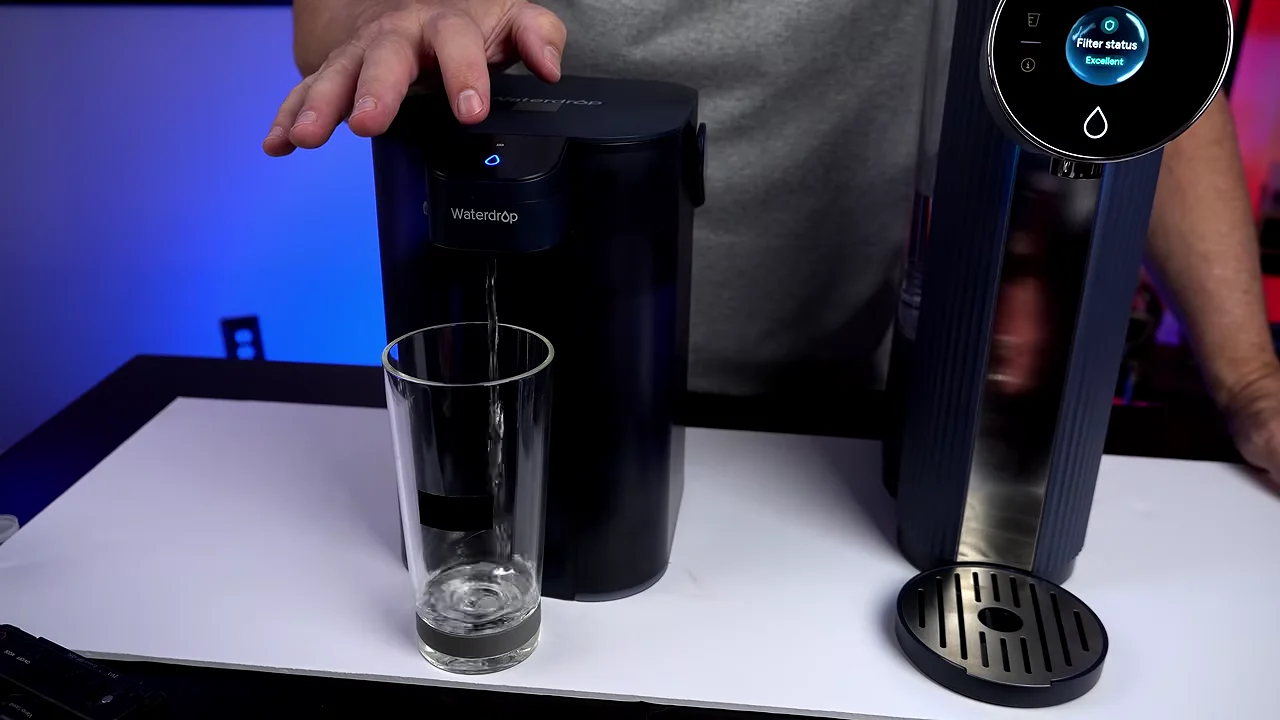
Our testing process began with a rigorous setup, following the manufacturer’s instructions for initial cleaning and filter flushing. We then moved to a blind taste test, using labeled cups to ensure the reviewer’s palate remained unbiased while comparing the filtered water against standard tap and bottled water.
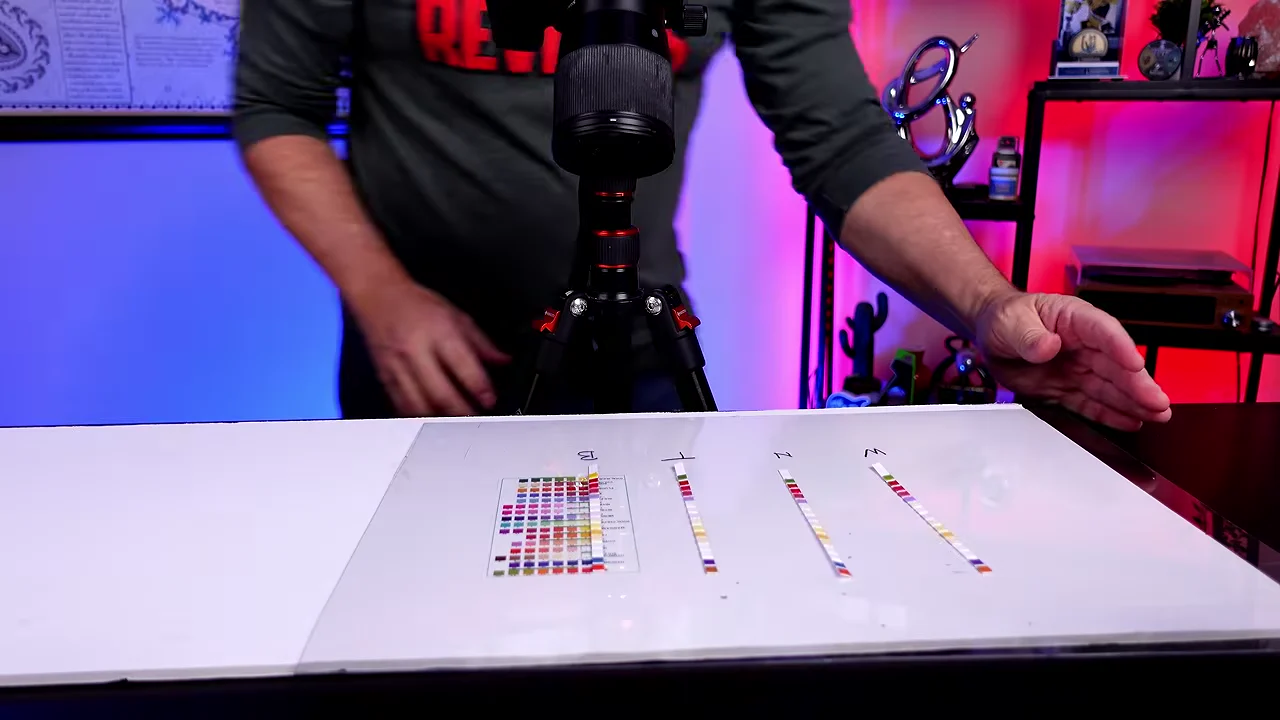
To move beyond subjective taste, we utilized 16-parameter water test strips. By comparing the chemical color changes against a reference chart, we measured pH, chlorine, alkalinity, and water hardness. We also evaluated the physical design, testing the dispensing speed, the accuracy of the Ninja’s ounce-selection feature, and the overall portability of the Waterdrop unit.
The Drawbacks To Know Before Buying
1. Lack of cooling: Despite the premium positioning of the Ninja, neither unit provides chilled water. You are essentially paying for a filter that sits on your counter, meaning you still need to rely on your refrigerator for cold water.
2. Design flaws: The Waterdrop model lacks a drip tray, which frequently results in water pooling on the counter. Additionally, its low minimum fill line makes it difficult to use when the reservoir is nearly empty.
3. Recurring costs: Both systems require proprietary filters that must be replaced regularly. Over the lifespan of the product, these maintenance costs can quickly exceed the initial purchase price of the unit.
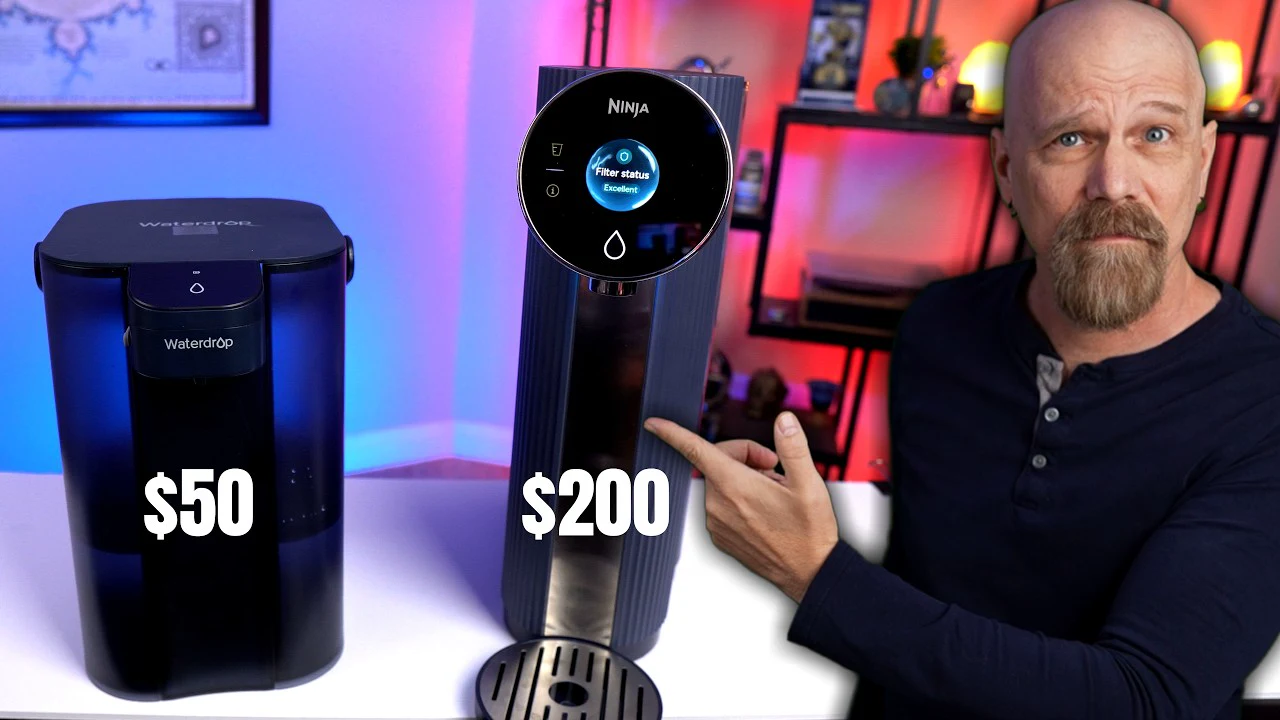
Ninja HydraSense Water Filtration System vs. Waterdrop Electric Water Filter
Editorial Note: When you buy through links on our site, we may earn an affiliate commission at no extra cost to you.
Original Video Review by Freakin' Reviews
17:25 in-depth test, temperature checks and cleaning demonstration.