
Why They Bought It & Tested It
With consumer interest surging in traditional food production and heritage grains, home bakers are increasingly curious about stone-ground flour. While mass-market roller-milled flours like King Arthur have long dominated American pantheons for their predictable performance, stone mills promise a return to older, more flavorful methods.
The test kitchen wanted to cut through the marketing hype surrounding artisanal milling. They set out to determine whether stone-ground flour genuinely improves everyday baking results or simply introduces unnecessary complications into standard kitchen recipes.
“To learn more, we bought five all-purpose flours and five bread flours from different mills around the country, and then we baked biscuits and we made bread.”
— Jack Bishop (America's Test Kitchen) (Video Test)
The Real-World Test & Results
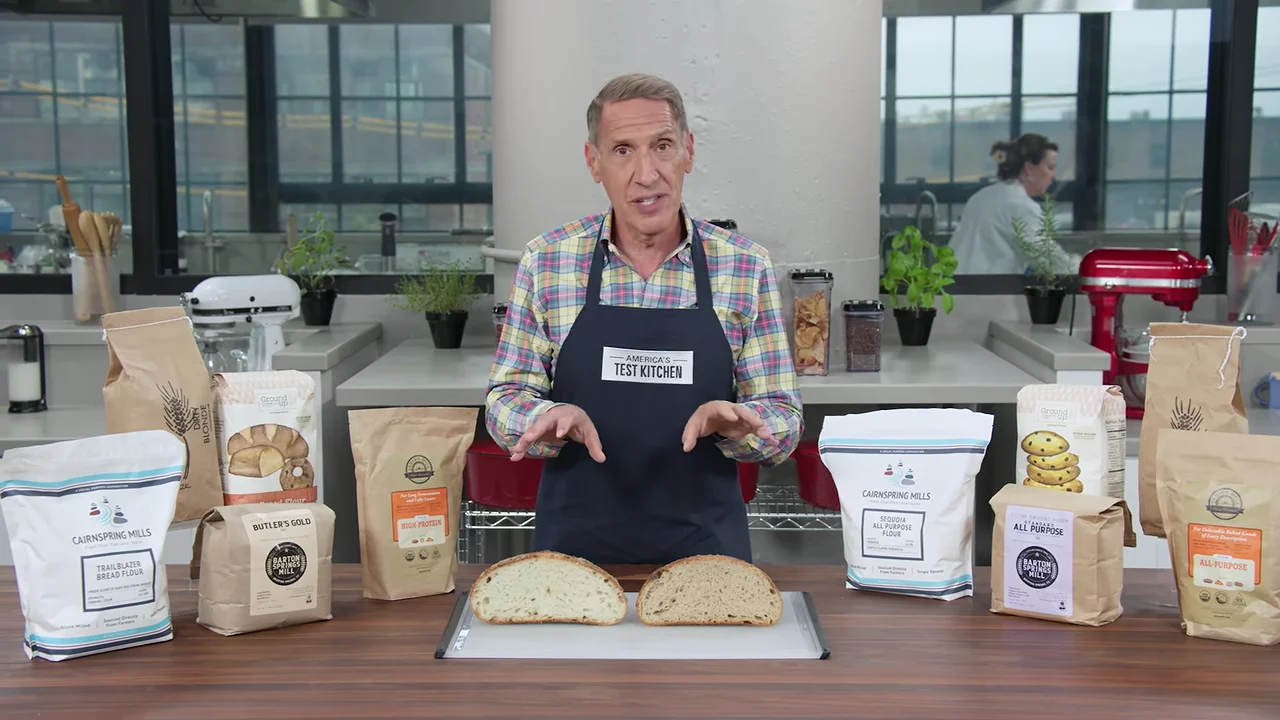
The test kitchen sourced five all-purpose flours and five bread flours from various regional stone mills across the United States. They put these flours through rigorous, real-world kitchen tests by baking batches of biscuits and full loaves of artisanal bread.
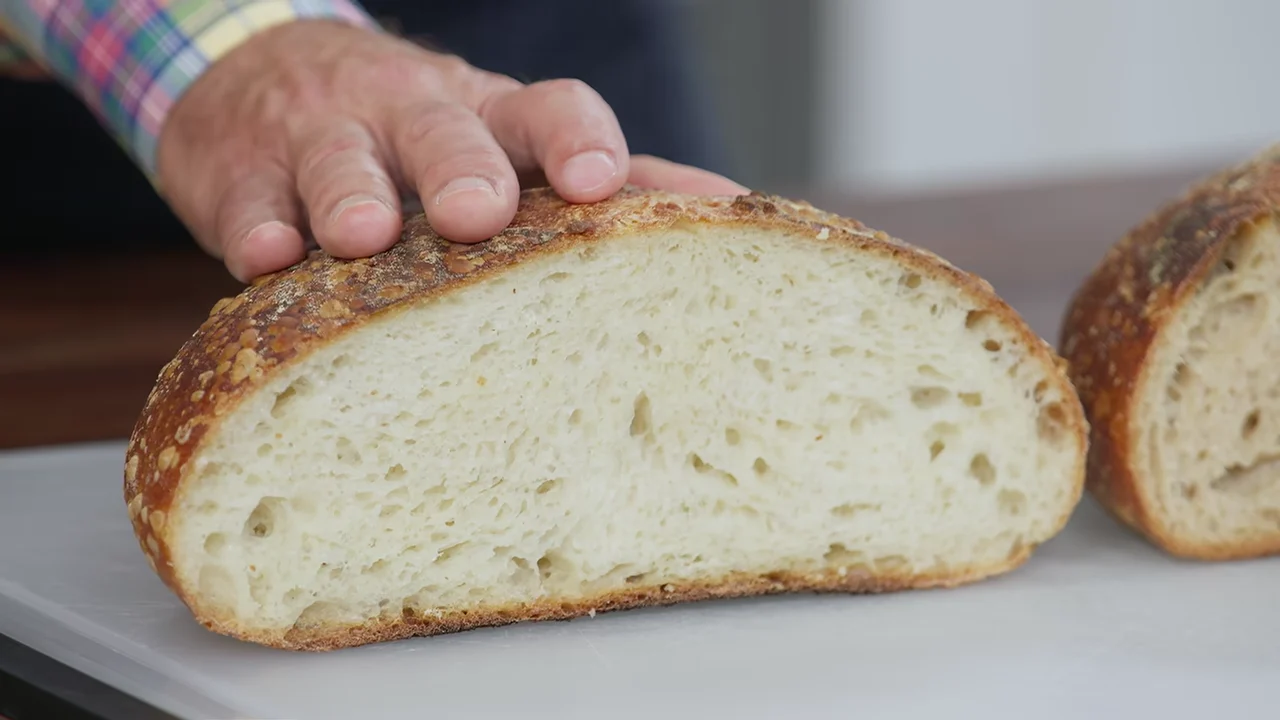
When testing all-purpose flour in biscuits, the performance differences were surprisingly minor. While the stone-ground biscuits offered a slightly hardier texture and nuttier flavor, they performed admirably overall. However, the bread loaves told a completely different story, showing distinct behavioral differences in dough handling and crumb structure.
The Drawbacks To Know Before Buying
1. Hydration shifts: Bakers must actively alter water quantities when swapping standard flour for stone-ground options in bread recipes.
2. Enzyme activity: Because stone-ground flour retains the wheat germ, extra enzymes accelerate dough fermentation, requiring shorter rise times.
3. Unpredictable texture: The finished crumb structure in bread loaves differs starkly from the reliable consistency of commercial high-protein flours.
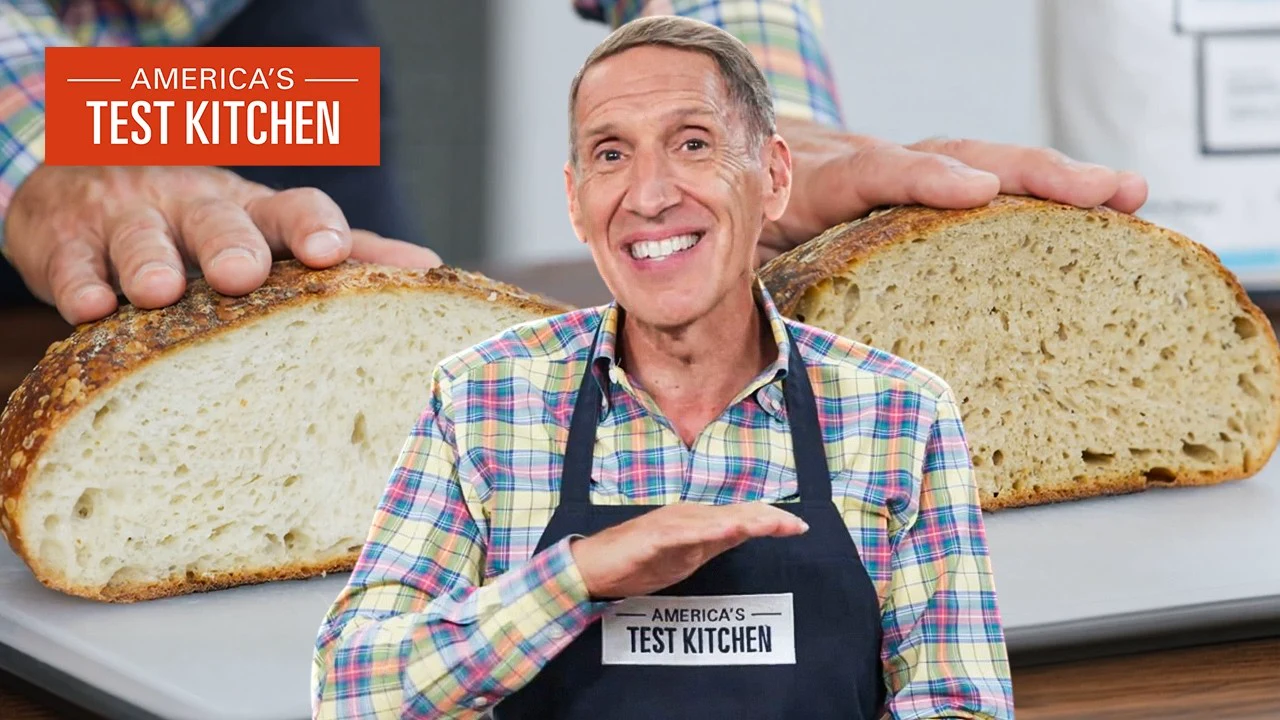
King Arthur vs. Regional Stone-Ground Flours (Various Mills)
Editorial Note: When you buy through links on our site, we may earn an affiliate commission at no extra cost to you.
Original Video Review by Jack Bishop (America's Test Kitchen)
02:13 in-depth test, temperature checks and cleaning demonstration.