Why They Bought It & Tested It
Social media feeds are constantly flooded with viral skincare routines promising glass skin overnight, leaving consumers exhausted trying to separate marketing gimmicks from actual science. The creators behind Doctorly decided to tackle one of the most popular combination trends on the internet: layering azelaic acid alongside prescription tretinoin. Rather than dismissing another internet regimen, they wanted to examine whether this pairing is dermatologically sound or a recipe for a ruined moisture barrier.
Viewers are constantly told to mix and match active ingredients for faster results, but doing so blindly can lead to severe redness, peeling, and compromised skin. The hosts set out to analyze the peer-reviewed clinical data behind both molecules to determine if they actually work together synergistically or if they simply cancel each other out and irritate the skin.
“I think Tretinoin plus Azelaic Acid combination is one of the best trends to emerge on social media after all the nonsense that's out there.”
— Doctorly (Video Test)
The Real-World Test & Results
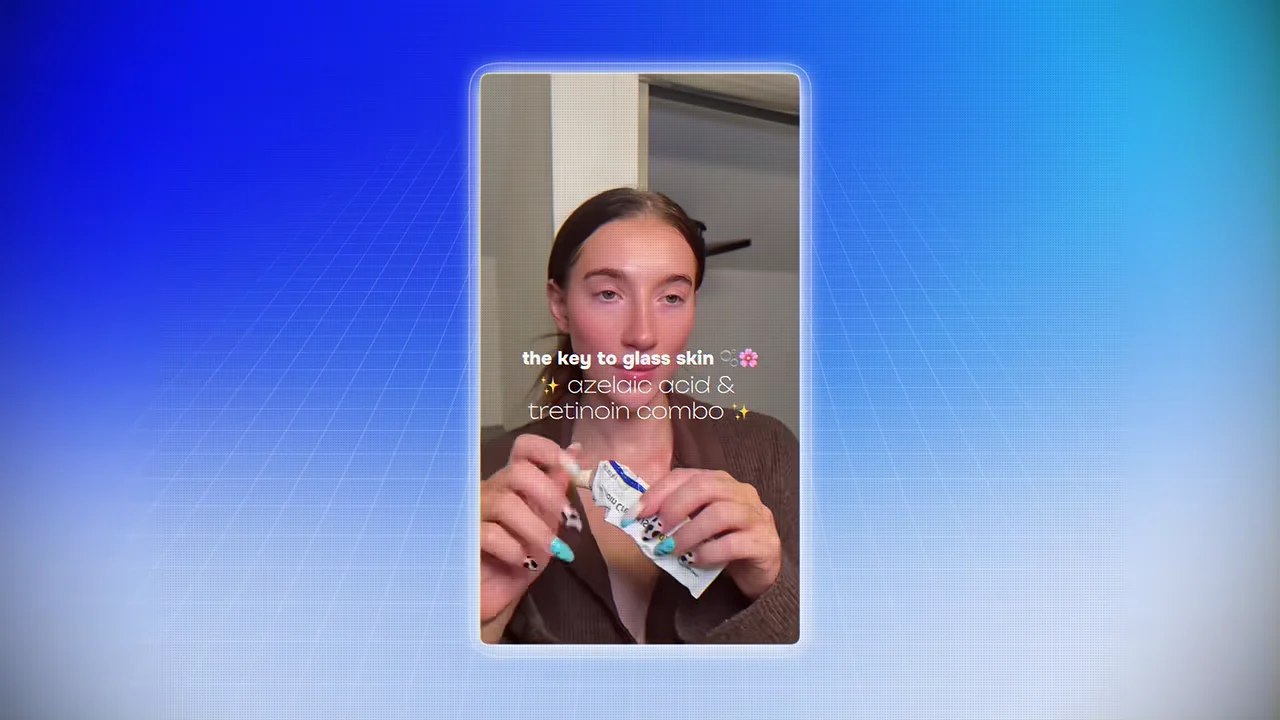
To evaluate the combination, the doctors broke down the distinct cellular mechanisms of both ingredients. Tretinoin acts as a retinoid vitamin A derivative that binds to nuclear receptors to accelerate cell turnover, stimulate collagen production, and inhibit pigment transfer. Azelaic acid, meanwhile, functions as a naturally occurring acid that selectively targets tyrosinase to diminish dark spots while calming chronic inflammation and eliminating acne-causing bacteria.
The evaluation extended beyond basic theory into actual clinical data, reviewing dermatological studies comparing monotherapy versus combination therapy using 20 percent azelaic acid and 0.05 percent tretinoin. The data confirmed that pairing these ingredients yields significantly faster improvements in hyperpigmentation and skin texture. The hosts also tested various over-the-counter and prescription formulations, analyzing how different vehicles like suspensions versus solubilized serums perform on the face.
The Drawbacks To Know Before Buying
1. Barrier irritation: Combining two heavy-hitting active ingredients simultaneously poses a high risk of overwhelming the skin, leading to flaking, redness, and stinging if not introduced gradually.
2. Texture issues: Certain budget-friendly suspension formulas utilize older manufacturing methods that feel grainy on the skin and tend to pill up badly under makeup or sunscreen.
3. Added ingredients: Some commercial azelaic acid formulations include potential irritants like denatured alcohol or propylene glycol that can trigger allergic reactions in reactive skin types.
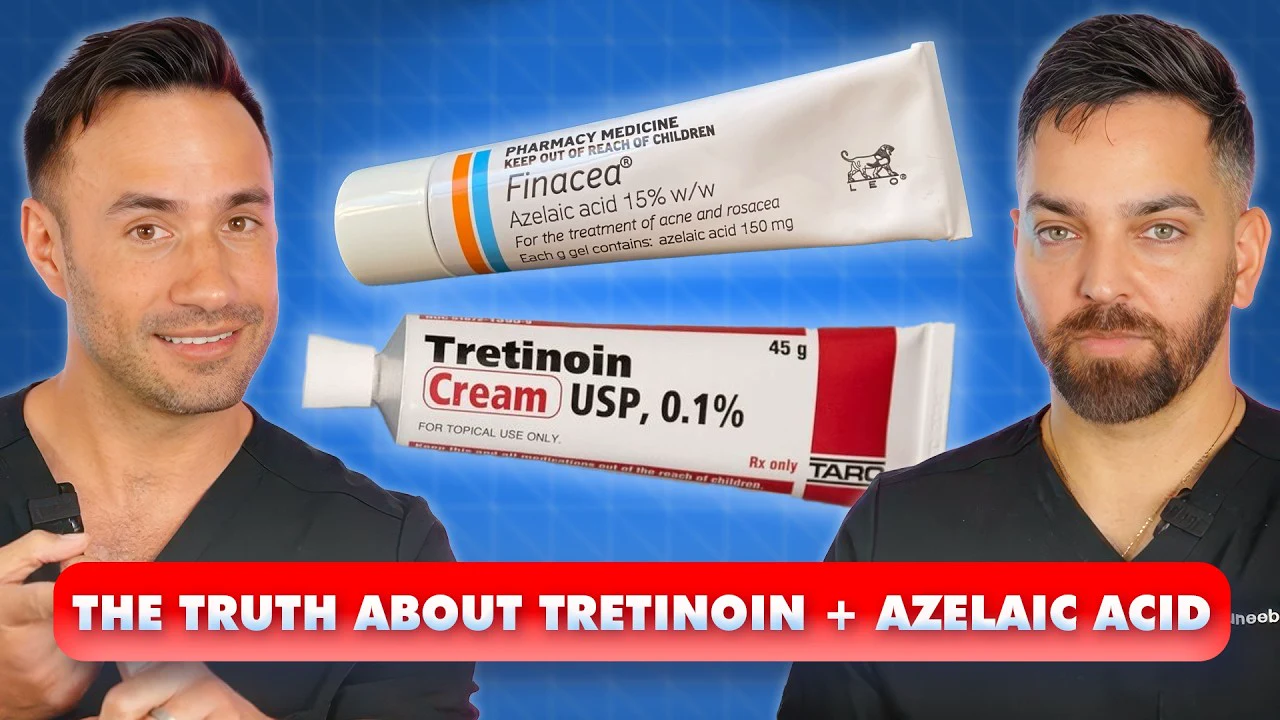
Tretinoin Cream & Finacea 15% Gel
Editorial Note: When you buy through links on our site, we may earn an affiliate commission at no extra cost to you.
Original Video Review by Doctorly
13:50 in-depth test, temperature checks and cleaning demonstration.