
Why They Bought It & Tested It
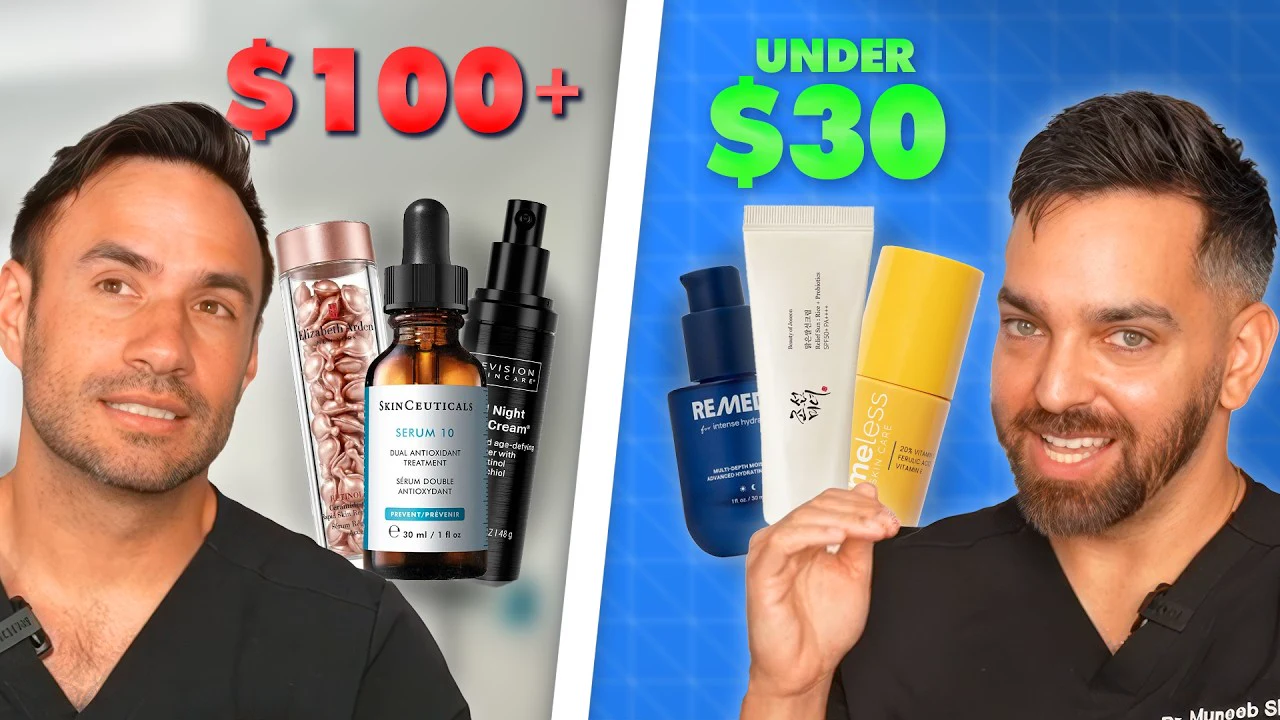
Consumers are constantly bombarded with expensive skincare products boasting $100 to $200 price tags, leaving many wondering if luxury formulas truly deliver superior results. The dermatologists behind Doctorly set out to investigate whether these steep prices reflect actual clinical superiority or simply clever marketing and brand heritage.
By analyzing ingredient lists, formulation science, and manufacturing realities, the creators wanted to provide a definitive roadmap for consumers. The goal was simple: identify where everyday shoppers can safely save their money and where splurging on higher-cost formulations is genuinely warranted.
“Price does not necessarily mean something is better, it doesn't necessarily mean something is worse; it's a really hard thing to convince people of.”
— Doctorly (Video Test)
The Real-World Test & Results
The hands-on breakdown evaluated foundational skincare categories, starting with basic hydrating serums. The dermatologists noted that core humectants like glycerin and hyaluronic acid are naturally inexpensive to formulate, meaning budget-friendly options like Vichy Minéral 89 and REMEDY For Intense Hydration perform exceptionally well without a luxury markup.
Moving on to cleansers and moisturizers, the review emphasized that water-based cleansers do not require heavy spending since contact time on the skin is minimal. However, when examining advanced actives like retinol and vitamin C, the test revealed that while many effective options exist under $60, formulation stability and delivery systems play a massive role in actual performance.
The Drawbacks To Know Before Buying
1. Raw ingredient cost: Pure GHK-Cu copper peptide serums genuinely demand a higher price point because the raw materials required to manufacture them are exceptionally expensive.
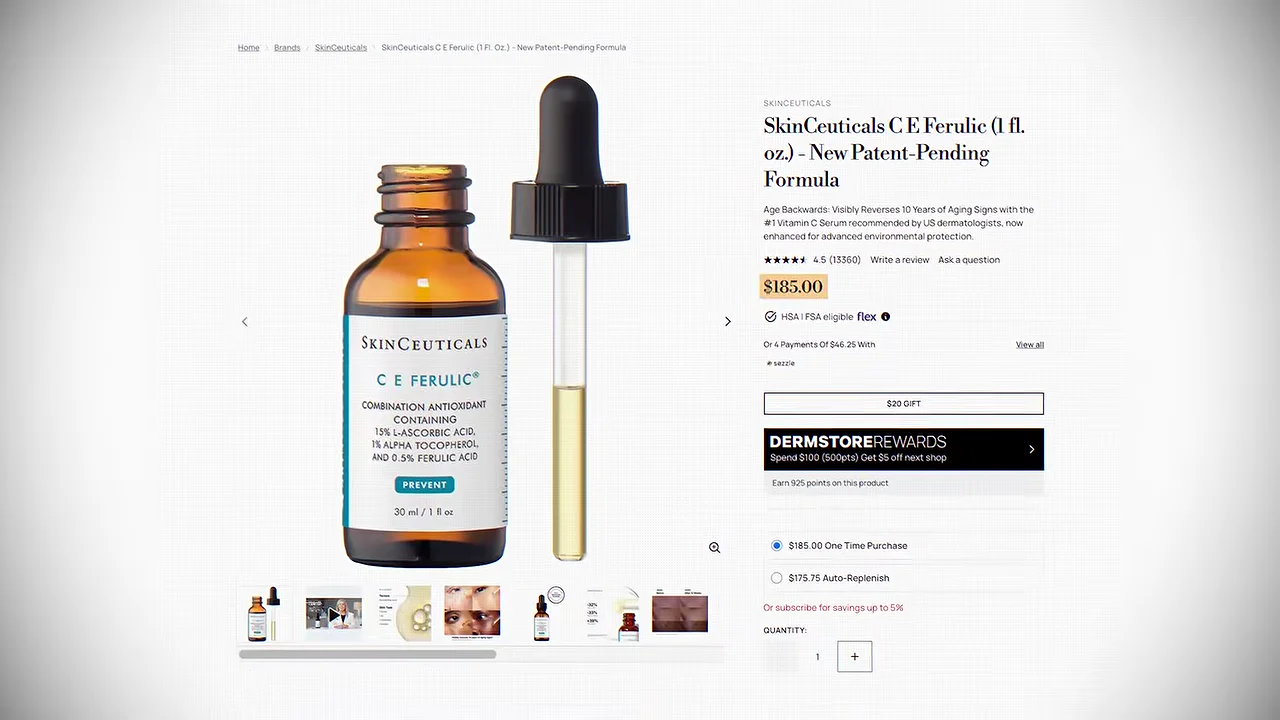
2. Oxidation risks: Budget retinols and improperly packaged vitamin C serums often suffer from poor shelf stability, reducing their overall effectiveness over time.
3. Trademark markups: Proprietary blends and patented formulas heavily inflate retail prices, meaning consumers frequently pay for brand heritage rather than superior raw science.
Doctorly Recommended Skincare Value Breakdown
Editorial Note: When you buy through links on our site, we may earn an affiliate commission at no extra cost to you.
Original Video Review by Doctorly
21:37 in-depth test, temperature checks and cleaning demonstration.